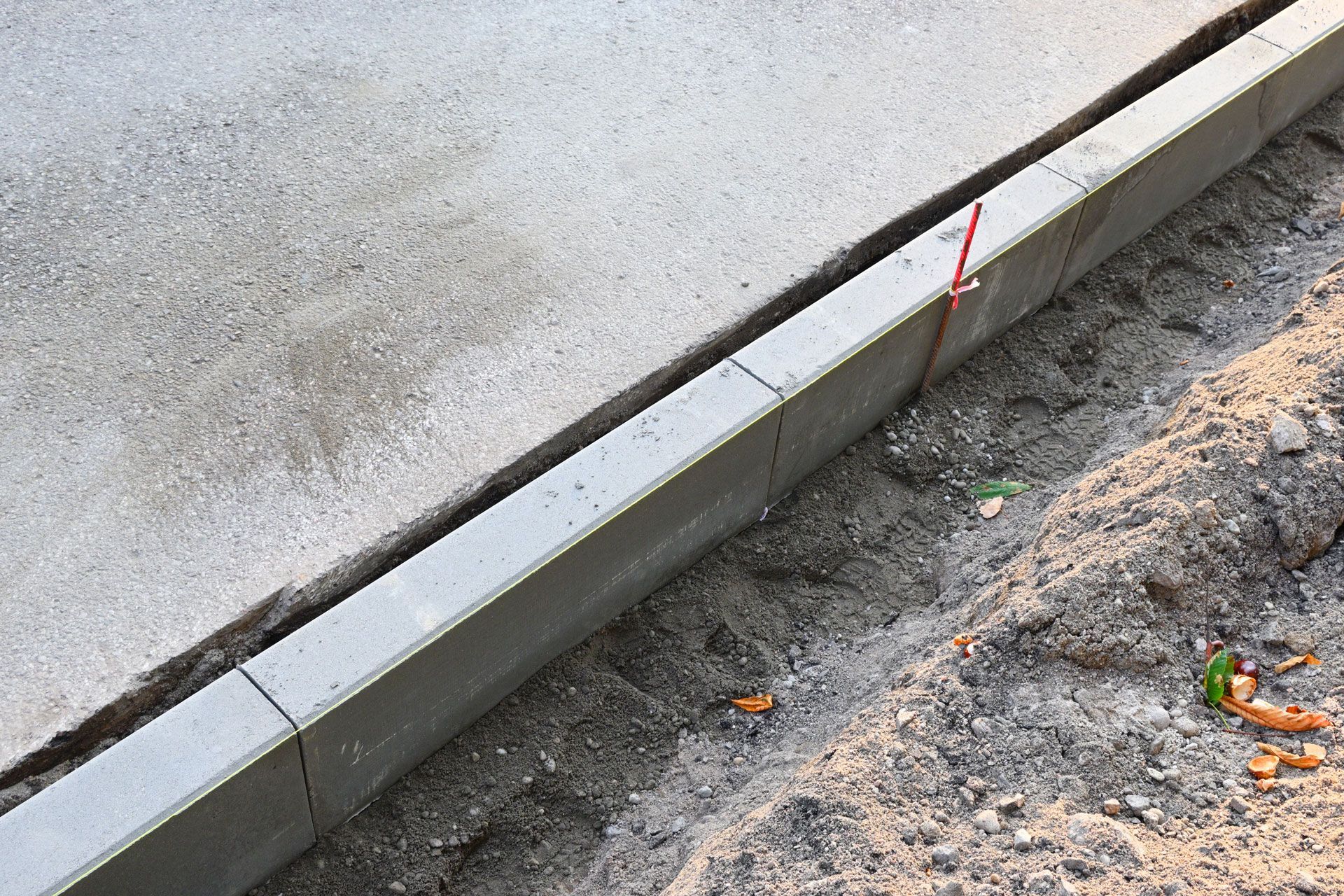
Concrete Restoration in Salt Lake City
Concrete restoration in Salt Lake City requires experience with the region’s climate, soil conditions, and aging infrastructure. C & R Coatings provides professional concrete restoration services designed to repair, reinforce, and extend the life of existing concrete surfaces throughout Salt Lake City and surrounding areas. This service focuses on correcting surface damage, structural wear, and deterioration caused by weather exposure, moisture intrusion, freeze-thaw cycles, and long-term use.
Concrete restoration is not the same as replacement. The goal is to stabilize and repair the existing concrete while improving performance and appearance. This approach is commonly used for driveways, walkways, garage floors, commercial slabs, loading docks, and structural concrete that shows signs of cracking, spalling, scaling, or surface breakdown.
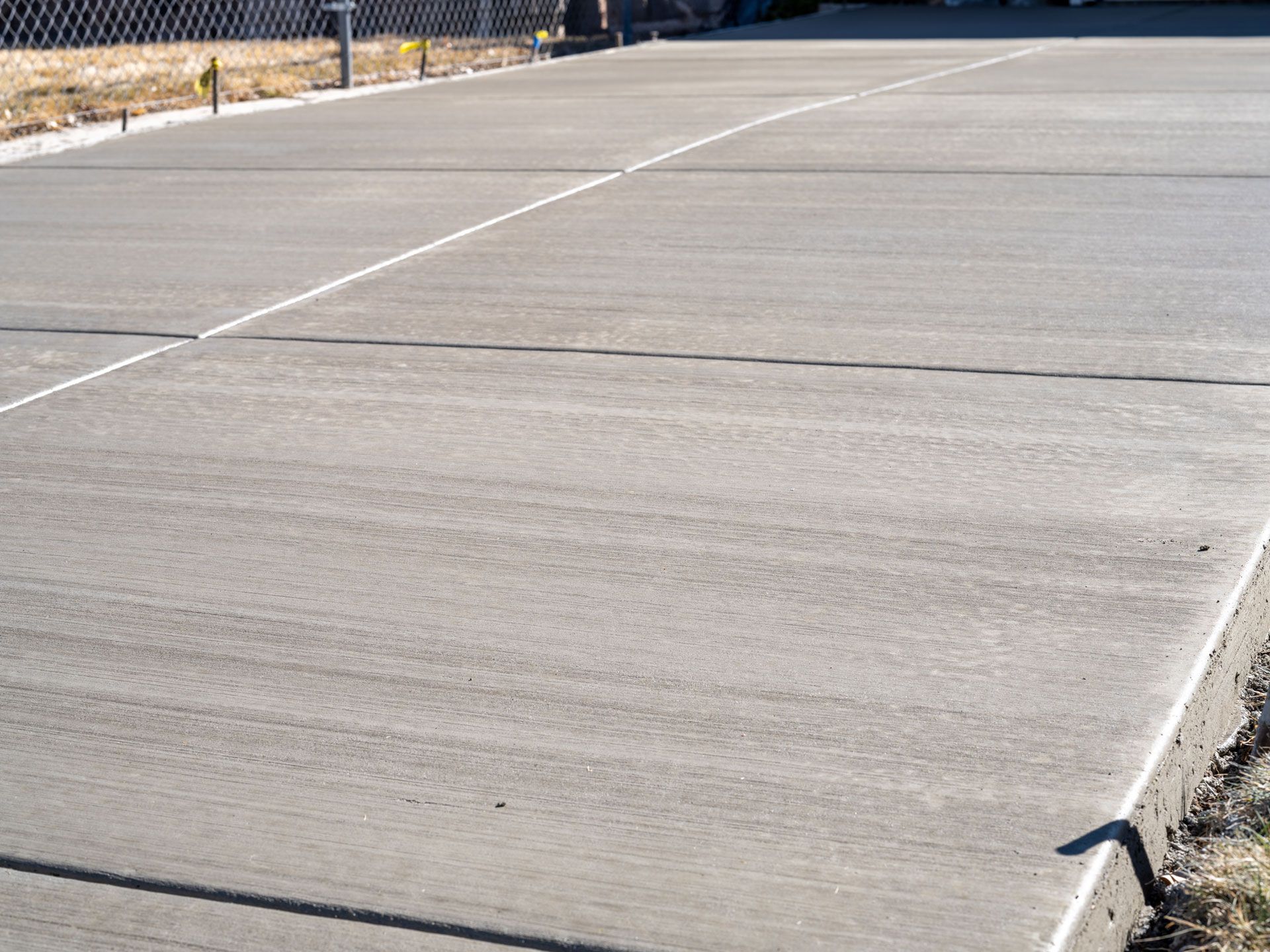
Understanding Concrete Restoration
Concrete restoration is the process of repairing damaged or deteriorated concrete to restore its strength, function, and surface integrity. Over time, concrete can suffer from environmental stress, water penetration, corrosion of embedded steel, and improper installation. Restoration addresses these issues without removing the entire slab or structure.
This service often involves surface preparation, crack repair, spall remediation, patching, and the application of specialized restoration materials. The exact method used depends on the severity of the damage, the type of concrete surface, and how the area is used. Concrete restoration is commonly applied to both residential and commercial properties where preserving the existing structure is practical and cost-effective.
Concrete Damage Commonly Addressed
Cracking and Structural Wear
Cracks develop due to ground movement, temperature fluctuations, and load stress. Restoration techniques stabilize these cracks to prevent expansion and further damage.
Spalling and Surface Deterioration
Spalling occurs when moisture penetrates the concrete and causes the surface to flake or break apart. Restoration repairs the affected areas and reinforces the surface layer.
Scaling and Freeze-Thaw Damage
Salt Lake City’s freeze-thaw cycles can cause surface scaling. Restoration restores the damaged surface and protects it from continued weather exposure.
Concrete Restoration Process
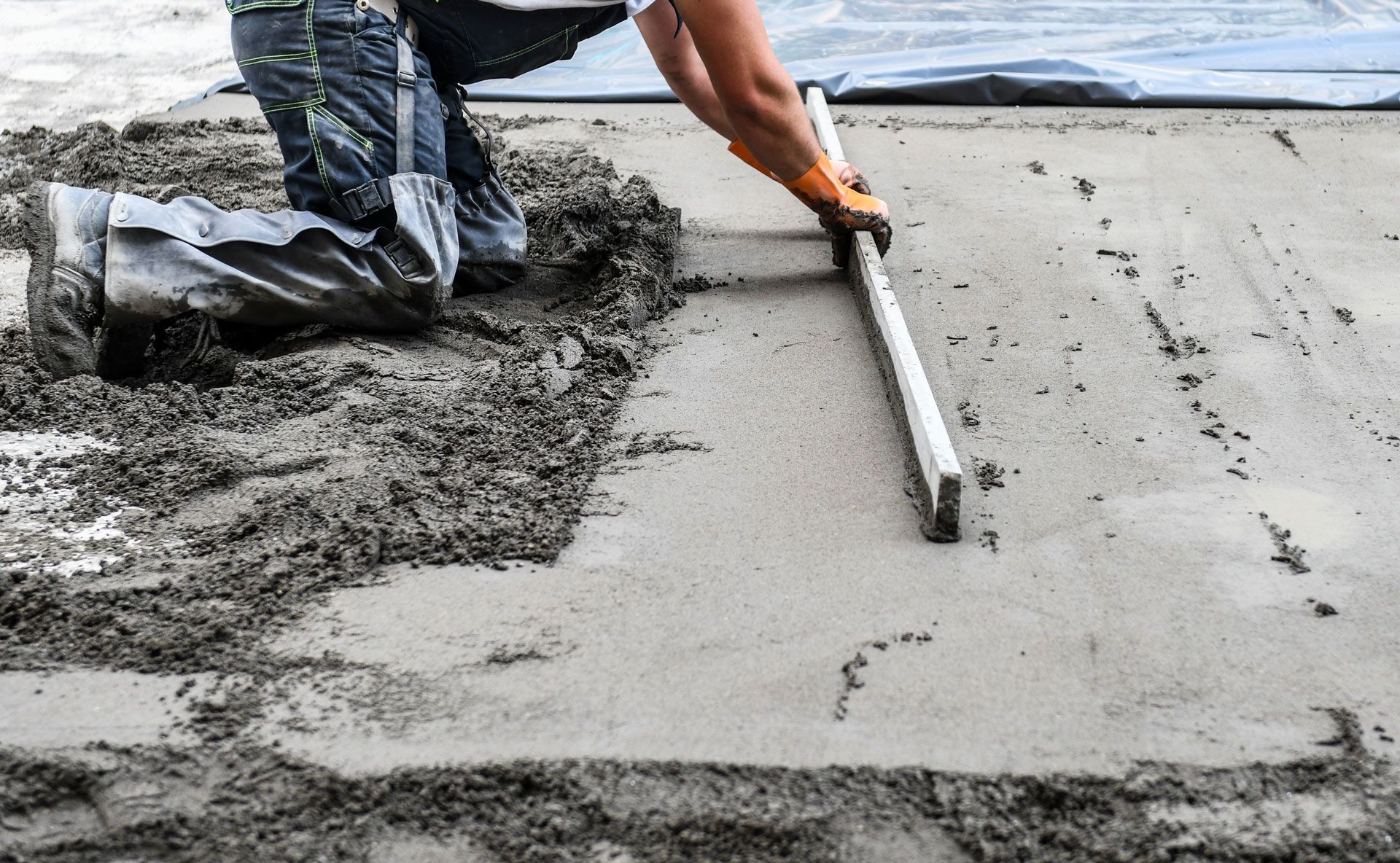
Concrete restoration begins with a detailed evaluation of the existing surface. The condition of the concrete, the cause of deterioration, and the intended use of the space are all considered before repairs begin. Damaged areas are prepared by removing loose or compromised material to create a stable base for restoration.
Repair materials are then applied to rebuild damaged sections and restore surface integrity. These materials are selected to bond with the existing concrete and withstand local environmental conditions. In many cases, restored concrete surfaces are finished with protective coatings or overlays to improve durability and reduce future wear.
Concrete restoration can be performed on horizontal and vertical surfaces and is commonly used for foundations, parking areas, sidewalks, warehouse floors, and industrial concrete structures.
Service Areas Around Salt Lake City
C & R Coatings provides concrete restoration services throughout Salt Lake City and surrounding communities within approximately a 60 km radius.
Service availability may vary depending on project size and scope.
Applications for Concrete Restoration
Concrete restoration is commonly used in residential, commercial, and industrial settings where structural integrity and surface performance are essential. Residential applications include driveways, patios, garages, and walkways. Commercial and industrial projects often involve warehouse floors, retail entryways, parking structures, and high-traffic concrete slabs.
By restoring existing concrete instead of replacing it, property owners can address safety concerns, structural issues, and surface damage while preserving the original foundation. Concrete restoration is especially effective for properties experiencing visible deterioration but still have a sound underlying structure.